How a Pizza Restaurant Creates an Unforgettable First Impression

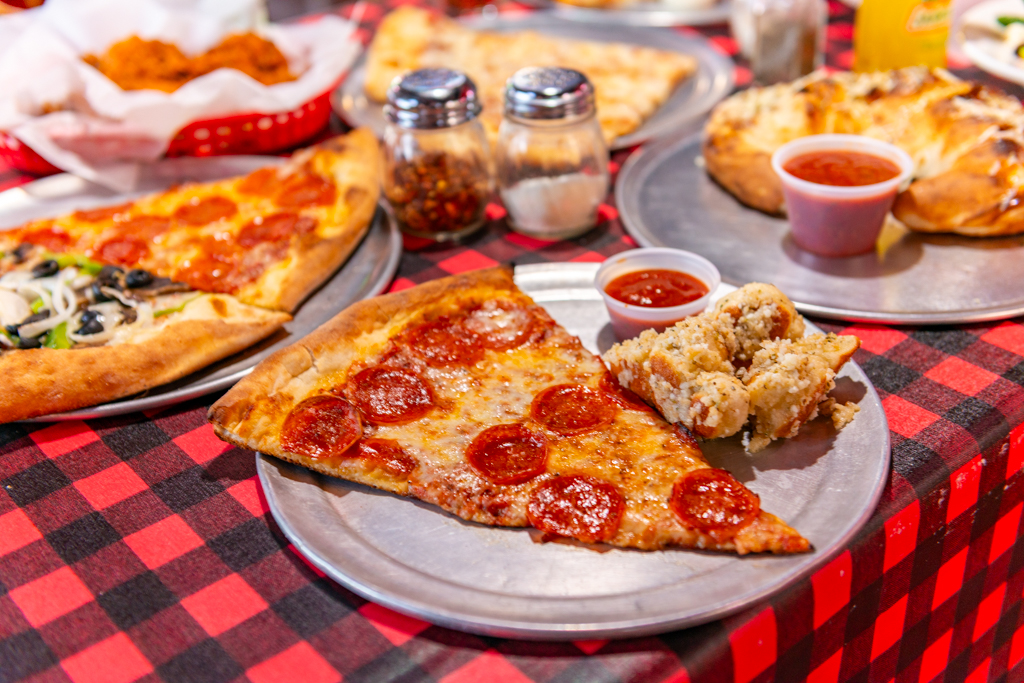

A guest usually decides how they feel about a pizza restaurant before the first slice hits the table. That judgment forms fast, often within the first minute, and it is surprisingly durable. If the place feels welcoming, clean, energetic, and competent, people start looking for reasons to like it. If it feels sloppy or tense, they start noticing flaws they might otherwise forgive.
Owners often pour their energy into recipes, ovens, food costs, and labor scheduling, which makes sense. Pizza quality matters. But the first impression is the filter through which that quality gets interpreted. The same margherita can feel generous and crafted in one setting, or overpriced and forgettable in another. The difference is rarely accidental. It is built, detail by detail, from the sidewalk to the host stand to the way the first pie lands on the table.
What makes this especially important for a pizza restaurant is how emotionally loaded the category already is. People walk in with memories. Friday nights after Little League, late college dinners, first dates, family birthday tables pushed together in the corner, a quick solo lunch at the counter. Pizza is casual, but it is not insignificant. Guests expect ease, warmth, and some hint of fun. If a restaurant nails that from the outset, it earns trust before the kitchen has fully introduced itself.
The impression begins before the door opens
Most operators underestimate the exterior because they see it every day. Regular exposure makes flaws invisible. Guests do not have that problem. They see the peeling paint, the dirty windows, the warped menu box, the dead planter, and the faded open sign immediately. They also notice the good version just as quickly: clean glass, clear signage, a door that opens smoothly, outdoor lighting that feels safe, and a storefront that communicates care.
For a pizza restaurant, the exterior should answer a few basic questions without making the guest work for it. Is this place family-friendly, date-night casual, neighborhood traditional, or quick-service modern? Does it look active and cared for? Can I tell whether it is open? Can I see enough of the inside to feel drawn in?
A strong exterior does not require an expensive buildout. Some of the best neighborhood pizzerias work with old brick, simple awnings, and hand-painted signs. What matters is coherence. If the concept is rustic, the details should feel intentionally rustic, not neglected. If the concept is sleek and contemporary, the finish work cannot be half-done. Guests can forgive simplicity much more readily than inconsistency.
Scent plays a role earlier than many people realize. If a guest catches the smell of baking dough, charred crust, roasted garlic, or tomatoes simmering as they approach, the restaurant gets a head start. This is one reason open kitchens and front-positioned ovens can be so effective. They turn aroma into marketing without saying a word.
The first five seconds inside
Once the door opens, the guest scans for orientation. Where do I go? Who sees me? Am I expected here? Is this place under control?
Confusion is expensive. In a pizza restaurant, especially one that offers dine-in, takeout, delivery pickup, and maybe slices at lunch, the entrance can become chaotic if the flow is not obvious. A family waiting for a table should not be standing in the same narrow lane as a driver collecting three delivery orders and a solo customer trying to pay for a slice. When that collision happens, nobody feels well served.
The best first impressions often come from layout more than decor. Clear zones reduce stress. Pickup should have its own defined area. Dine-in guests should be able to identify where to check in. If ordering happens at the counter, the menu needs to be visible before the customer reaches the register. If there is table service, the host stand should be unmistakable, even if it is modest.
Lighting matters here too. Too dim, and the room feels dingy. Too bright, and it starts to read like a cafeteria. Pizza restaurants do well with warmth and visibility. Guests want to see the color of the sauce, the blister on the crust, the movement in the room, and the cleanliness of the space. Low amber light can flatter a cocktail bar. It does less for a family deciding whether the high chair is clean.
Sound is another early signal. A healthy room has layered noise: conversation, kitchen motion, maybe music that fits the brand. But if the first sensation is scraping chairs, blaring delivery printer tickets, or staff shouting order numbers over one another, the energy shifts from lively to unmanaged. There is a real difference between buzz and disorder.
Hospitality is visible long before service becomes formal
Guests do not need full attention the instant they walk in, but they do need acknowledgment. A simple glance, a nod, or “We’ll be right with you” is often enough to lower tension. Being ignored for thirty seconds feels longer than most operators think, especially when a guest is standing still and wondering where they belong.
This is where training shows. A polished first impression is rarely the result of one charismatic host. It comes from a culture where everyone understands that arrival matters. If the host is seating another party, a nearby server should be empowered to greet the next guest. If the cashier is swamped, a manager can step in and direct traffic. Good restaurants recover from brief delays because guests can see somebody taking ownership.
The style of greeting should match the concept. A neighborhood pizza restaurant can be relaxed and still be excellent. In fact, over-scripted greetings often feel wrong in a place built around comfort food. What matters is warmth, clarity, and confidence. “Welcome in, pick any table on the left, we’ll bring menus over,” is better than a formal line delivered without eye contact. Guests are not grading theater. They are checking whether the place feels easy to trust.
Names help when the format allows for them. If a host asks for a reservation name and repeats it naturally, the exchange starts to feel personal. If a counter-service spot calls out a guest’s name correctly and with some energy, the room immediately feels more human. In pizza, where many visits are routine rather than ceremonial, these small touches create loyalty over time.
Cleanliness is not a background issue
People judge food safety visually, even if they do not realize they are doing it. In a pizza restaurant, that judgment gets sharper because flour, cheese, sauce, and boxes create a lot of visible mess if the operation slips. A smudged front door, greasy menu cover, sticky table edge, or overflowing trash can tells the guest that standards are probably uneven elsewhere too.
The hard part is that some visual clutter is normal in a busy pizzeria. Flour on the peel, stacked dough trays, a cook moving fast between stations, those can signal freshness and production. The distinction is whether the environment looks actively worked in or simply neglected. Experienced operators understand this line intuitively. Guests do too.
Restrooms deserve special attention because they quietly shape memory. Many people will never mention a bad restroom if the pizza was great, but they will still file the place under “a little gross” and think twice before returning. That is especially true for parents with children. A clean restroom with functioning fixtures, stocked soap, and dry floors says more about management discipline than any mission statement on the wall.
One practical standard I have seen work well is this: every visible touchpoint near the entrance should survive close inspection at any point during service. Door handles, host stand, front counter, menu boards, waiting benches, and floors should never require a guest to make excuses for the restaurant. That bar is not extravagant. It is foundational.
The menu introduces the brand before the first bite
A menu is not just an ordering tool. It tells the guest what kind of pizza restaurant this is, what it values, and whether the experience is likely to be simple or frustrating.
Menus that create strong first impressions usually share one trait: they are easy to read quickly. Guests should be able to understand the structure almost immediately. Whole pies, slices if available, house specialties, build-your-own options, salads, starters, beverages. The categories can vary, but the logic should be obvious.
This matters because pizza is often a group decision. Families negotiate toppings. Friends split pies. Couples decide whether to add salad or wings. If the menu is cluttered with too many fonts, too many modifier upcharges, or vague item names that need verbal translation, ordering starts to feel like work. That friction lands early, before the kitchen has had a chance to impress anyone.
Descriptions should be specific enough to create appetite. “San Marzano-style tomato, fresh mozzarella, basil, olive oil” does more than “classic margherita.” Precision conveys confidence. It also reduces ordering mistakes. At the same time, a menu should not over-explain every item to death. Pizza is familiar food. Guests want a nudge, not a lecture.
Pricing affects first impression as much as design does. Customers are usually willing to pay for quality, but they need the room, service, and communication to support the price point. An $11 draft beer and a $26 twelve-inch pie can work in the right urban market, with the right buildout, ingredients, and service level. In the wrong setting, those numbers trigger skepticism at the door. Strong operators understand that perceived value begins well before the check arrives.
The room has to feel alive for the right reasons
A memorable pizza restaurant rarely feels sterile. It usually has movement and signals of production. Guests like seeing dough stretched, pies launched into the oven, and finished pizzas crossing the dining room. Those moments reassure people that something real is happening.
The danger is visual noise. When every wall is covered in memorabilia, every speaker is competing with the kitchen, and every inch of counter space is packed with third-party delivery bags, the room loses focus. Not every pizzeria needs a minimalist interior, far from it. Some of the most beloved places are full of framed photos, local sports references, old signs, and a little wear on the wood. But even a packed room needs editing.
The strongest spaces usually emphasize a few sensory anchors. Guests should register heat from the oven area, the color of the pies, some texture in the materials, and enough open sightlines to understand the pace of service. The room should tell the truth about the product. A coal-fired concept can feel darker, moodier, and more elemental. A slice shop can be brighter, faster, and louder. A family pizza restaurant in the suburbs might lean toward comfort and easy seating. None of these are inherently better. The issue is whether the setting makes immediate sense.
Seating comfort is another first-impression lever that gets ignored until complaints pile up. Hard chairs, cramped tables, and banquettes with awkward spacing can make guests want to leave before dessert. In pizza, where parties often share several items and extra plates, table size matters more than it does in many cuisines. A two-top that can barely hold one large pie and two drinks starts the meal with inconvenience.
Staff appearance and body language speak for the whole house
Guests read a restaurant team the same way they read the room. Do the staff look composed? Do they move with purpose? Are they dressed in a way that fits the concept? Does anybody seem happy to be there?
Uniforms do not need to be formal. In fact, many pizza restaurants are better off avoiding stiffness. Clean tees, aprons, caps, and practical shoes can look excellent if they are consistent and in good condition. What guests notice is less about fashion and more about standards. Stained shirts, mismatched old merch, or a manager dressed so differently from the rest of the team that nobody knows who is in charge can undermine confidence quickly.
Body language may matter even more. A host who keeps scanning the door creates a different first impression than one hunched over a tablet. A counter employee who pauses to make eye contact while finishing another transaction conveys control. A server who carries a pie to the table like it deserves attention makes the food feel more important before anyone tastes it.
There is a subtle but powerful effect when staff sound like they actually know the product. If a guest asks, “Is your pepperoni spicy?” and gets a direct, useful answer instead of a shrug, trust goes up. If someone asks how long a large pie takes and the staff member gives a realistic estimate rather than a hopeful guess, the restaurant appears competent. First impressions are often built from these micro-moments of credibility.
Speed matters, but only when paired with transparency
People expect pizza to be approachable, but they do not all expect it to be fast. That depends on format. A slice shop needs quick flow. A full-service pizza restaurant with artisanal dough and a high-heat oven can ask for more patience. Guests generally accept the pace if the restaurant frames it properly.
What damages first impression is uncertainty. Waiting ten minutes for a table can be fine. Standing in a doorway for ten minutes with no estimate feels amateur. A twenty-minute pizza ticket can feel reasonable. A twenty-minute silence after ordering makes guests wonder if the order got lost.
Good operators use simple communication to protect the first impression:
- They quote realistic wait times.
- They explain bottlenecks before guests feel them.
- They separate pickup traffic from dine-in whenever possible.
- They keep visible systems tidy, especially order shelves and host queues.
- They update guests if expectations change.
None of this is glamorous, but it prevents the kind of frustration that no amount of exposed brick or imported flour can fix. In busy periods, the restaurant that communicates well often earns better reviews than the restaurant that shaves three minutes off ticket times but leaves customers guessing.
The first food and drink delivered set the emotional direction
Even if the pizza is the star, the first item that hits the table often shapes the meal. Water served promptly in clean glasses, a crisp draft beer with proper head, a neat plate of olives or a well-made salad, these details tell the guest that the restaurant respects sequence and pacing.
Then comes the pie itself. The arrival should feel like an event, even in a casual room. That does not mean fanfare. It means the server lands it cleanly, names it if needed, makes sure the table has what it needs, and gives the pizza a second of visual stage time. A great pie dropped without a word can lose impact. A solid pie presented with confidence and timing gains some.
Temperature is crucial. A pizza restaurant has less margin here than many kitchens. Lukewarm pizza is instantly disappointing because guests know exactly what hot, fresh pizza should feel like. The first slice should release steam, stretch cheese as appropriate, and carry the aroma the room has been promising since the door opened. If that moment lands, a lot of smaller flaws become forgivable.
Cut quality and structural integrity matter more than many operators admit. If the first slice collapses into a wet fold when that is not the intended style, or if the crust is scorched in a bitter way, guests feel let down immediately. This is where execution and first impression merge. Hospitality can open the door, but the pie has to walk through it.
Takeout and delivery deserve their own first-impression strategy
For many pizza restaurants, the first impression now happens through a phone screen, a website, or a pickup shelf. That does not make it less real. In some neighborhoods, off-premise orders represent half the business or more on certain nights. Treating that guest as secondary is a mistake.
Digital menus should be clean, current, and easy to navigate. Photos, if used, should reflect the actual product. Pickup instructions need to be obvious. If parking is awkward, say so. If the restaurant uses a side entrance for takeout, make that unmistakable before the customer arrives irritated and circling the block.
Packaging is the handshake of off-premise pizza. Boxes should be sturdy, labeled clearly when multiple pies are involved, and packed in a way that avoids crushed toppings or trapped steam turning the crust soft. A folded receipt tossed in grease and tape is not a small detail. It tells the customer how carefully the order was handled.
There is also an operational reality here: dine-in guests see the takeout system, and takeout guests see the dine-in system. A front counter buried under tablets, bags, and driver confusion makes the whole place feel chaotic. The best pizza restaurant layouts protect both experiences instead of letting them compete openly for the same few square feet.
What regulars notice that first-timers miss
An unforgettable first impression should not be confused with a flashy one. Many of the most durable pizza brands win through consistency that becomes visible even to a new guest. The room smells the same each visit. The greeting feels sincere. The music fits. The tables are reset properly. The pies come out with the same care whether it is Tuesday lunch or Saturday at seven-thirty.
Regulars can sense when a place is drifting. They notice when the host stand feels abandoned, when menus get grimy, when the soda station starts sticking, when the team seems tense. First-time guests notice too, but they interpret https://manuelpwkp636.stonefielddigest.com/posts/best-occasions-to-celebrate-at-a-pizza-restaurant it differently. They assume that what they are seeing is normal. That is why the first impression is so unforgiving. It does not represent a momentary miss to the guest. It represents the restaurant.
A pizza restaurant that consistently creates a great first impression usually does not rely on heroics. It sweats fundamentals, protects flow, and treats arrival as part of the meal rather than a prelude to it. The product matters enormously, of course. But people remember how a place made them feel before they decided how they felt about the food.
That is the real opportunity. When the exterior invites, the room orients, the staff acknowledge, the menu clarifies, and the first pie arrives hot and proud, the guest relaxes. They stop evaluating and start enjoying. At that point, the restaurant is no longer trying to make a first impression. It is making a memory.